








 ChatGPT
 Claude
 Grok
Grok
 Perplexity
 Gemini
Virtual or physical: the short answer
A virtual card and a physical card are both Visa cards. The difference is how you get them and where each one works best. A virtual card is a 16-digit number you create online and use straight away for online and in-app payments. A physical card is the plastic version, shipped to you, for paying in person.
For most businesses it is not one or the other. You use a virtual card for online, recurring, and remote spend, and a physical card where you have to hand over or tap a card in person.
How a virtual and physical card differ
A virtual card lives in your dashboard and your mobile wallet. It has its own 16-digit number, expiry date, and security code, so it works in any standard online checkout. You can create one and start spending the same session.
A physical card is the same Visa card printed on plastic and mailed to you. You use it to tap, insert, or swipe at a terminal, the same way as any other card. A shipping fee applies, and it takes time to arrive.
Both draw from the same funded wallet, carry the spending limit you set, and show every transaction in the same dashboard.
Virtual card vs physical card, side by side
| Virtual card | Physical card | |
|---|---|---|
| How you get it | Created online, ready to use the same session | Shipped to you; a shipping fee applies |
| Where it works | Online and in-app checkout; mobile wallet where available | In person at a terminal, plus online |
| If the number leaks | Cancel it from your dashboard; your other cards keep working | Wait for a replacement card to arrive |
| Spending controls | Set a limit, restrict to the intended merchant, set a time window | The same controls apply |
| Best for | Subscriptions, online vendors, remote staff, one card per merchant | In-person purchases and anywhere a card must be present |
| Carrying it | Nothing to lose or leave behind | A physical card you have to keep safe |
When a virtual card is the better choice
Reach for a virtual card when the spend never needs a physical card in hand:
- Paying for anything online, from supplies to ads.
- Subscriptions, where you want one card per vendor capped at the plan price.
- One-off vendors you would rather not hand your main card number to.
- Remote or traveling staff who need a card today without waiting for the mail.
- Any spend you may want to stop quickly: cancel the card and future charges stop clearing.
When a physical card still makes sense
A physical card earns its place wherever a card has to be present:
- Paying in person where you tap, insert, or swipe.
- Situations that ask for the physical card, such as some hotel or rental deposits.
- A team member who buys in a store or pays at a counter.
- A backup for places that do not accept mobile wallets.
If most of your spend happens in person, order a physical card. Remember a shipping fee applies and it takes time to arrive, so plan ahead.
Is a virtual card safer for online payments?
Yes. A virtual card is built to limit what a leaked number can do. You set a spending limit, so a charge over it can be blocked based on your controls. You can restrict the card to the intended merchant based on supported controls, which makes the number far less useful anywhere else.
If a number is ever exposed, you cancel that one card from your dashboard and future charges stop clearing. Your other cards keep working, so one bad merchant does not force you to replace the card every other vendor bills.
There is also nothing physical to lose. A virtual card cannot be lifted from a wallet or left behind at a counter.
Can you use both together?
Yes, and most businesses do. Both card types draw from the same wallet, so you fund once and issue whichever card fits the job. Use a virtual card for online and recurring spend, and a physical card for in-person purchases.
Every charge from both cards shows up in the same dashboard, so you keep one view of spend no matter which card was used. For specific setups, see virtual cards for subscriptions or the Visa virtual card overview.
Which card should your business pick?
A quick guide:
- If the spend is online, recurring, or remote, create a virtual card.
- If the spend happens in person at a terminal, order a physical card.
- If you are not sure, start with a virtual card. You can always order a physical card later for the same wallet.
People also ask
Is a virtual card the same as a physical card?
Both are Visa cards funded from the same wallet. A virtual card is a number you create online and use right away; a physical card is the plastic version mailed to you for paying in person.
Can I use a virtual card in a store?
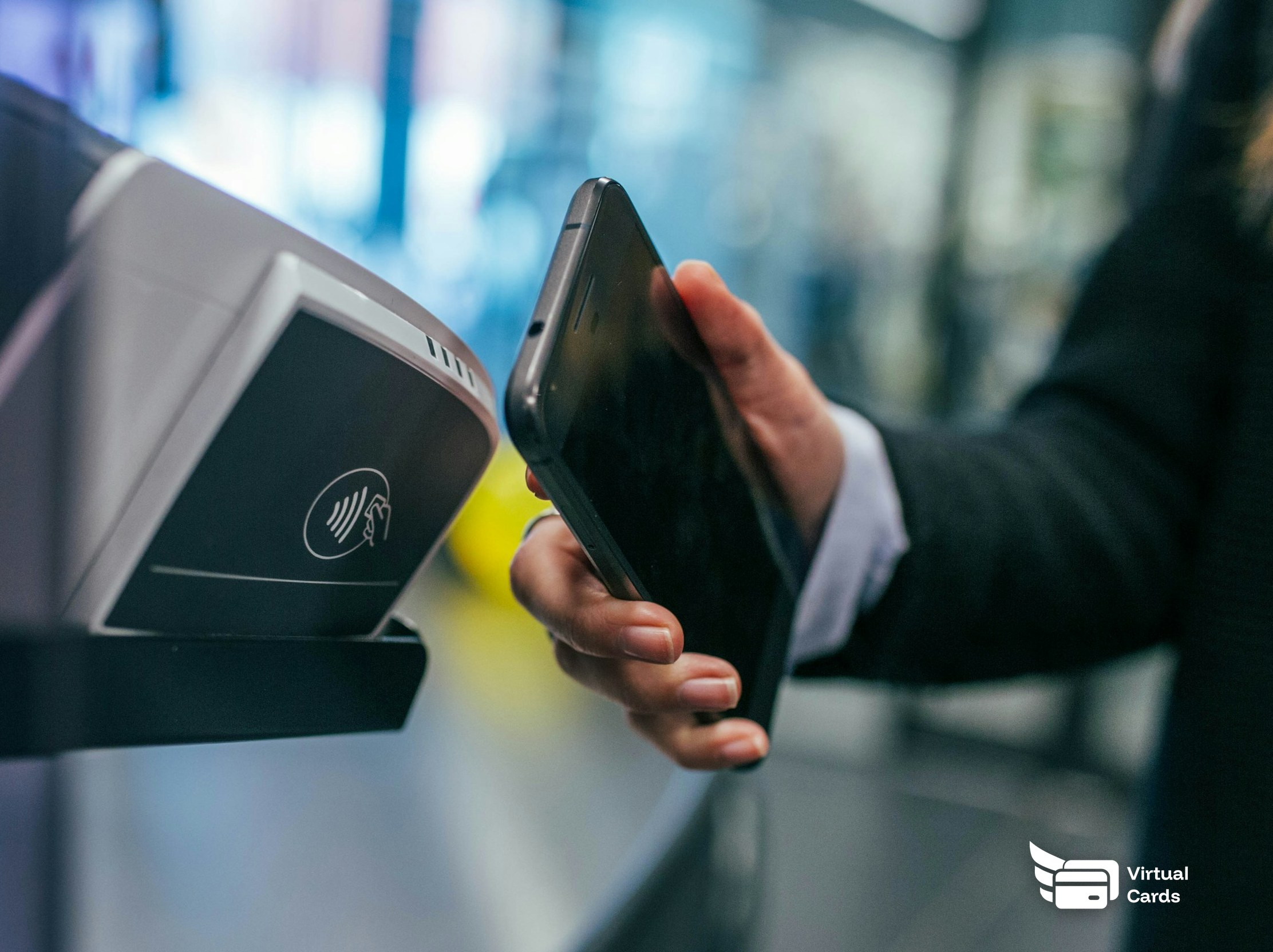
A virtual card works online and in apps. To pay in a store, add it to a mobile wallet where available and tap, or order a physical card for terminals that need the card itself.
Are virtual cards safer than physical cards for online payments?
For online payments, yes. You can cap the amount, restrict the card to the intended merchant based on supported controls, and cancel it from your dashboard if the number leaks, without affecting your other cards.
Do virtual cards work everywhere Visa is accepted?
A virtual card works wherever Visa is accepted online, and in person through a mobile wallet where available. Some in-person situations still ask for a physical card.
Can I have a virtual card and a physical card at the same time?
Yes. Both pull from the same wallet, so you can run a virtual card for online spend and a physical card for in-person spend side by side, and see every charge in one dashboard.
What happens if I lose a physical card?
Cancel it from your dashboard so it cannot be used, then order a replacement. Any virtual cards you have keep working in the meantime.